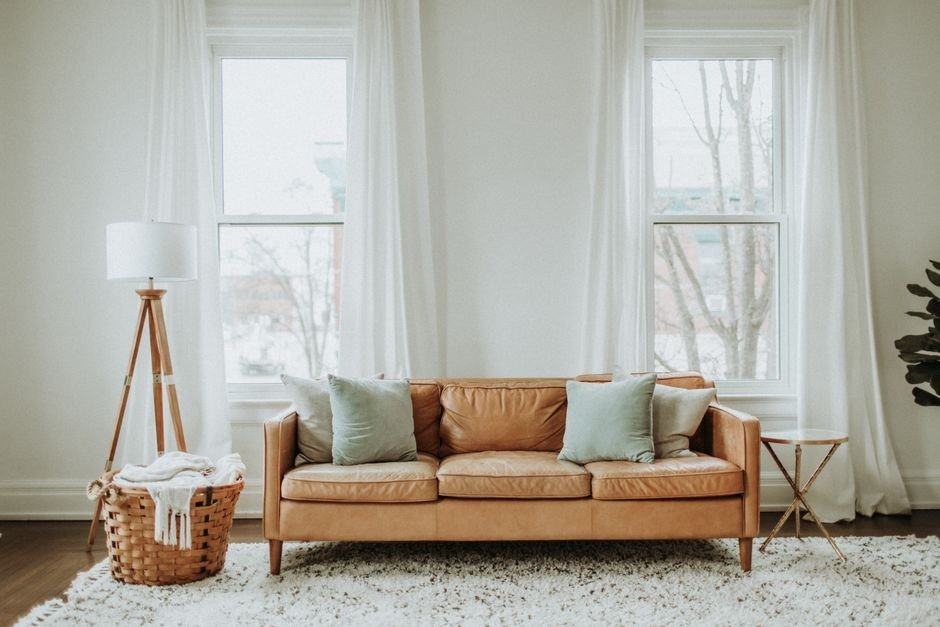
Leather sofas are not only a staple in contemporary homes but also an embodiment of style and sophistication. The tactile sensation they offer, combined with their durability, ranks them as a top choice for homeowners and interior designers alike. Their rich texture and timeless appeal have solidified their place in the furniture market. When discussing the allure of leather sofas, branded leather sofas come to the forefront, blending quality craftsmanship with unparalleled design.
The Unique Appeal of Leather Sofas
Leather sofas distinguish themselves with their natural elegance and ability to age gracefully. Unlike their fabric counterparts, which may fade over time, leather develops a unique patina that adds to its charm. This ageing process is a testament to the material’s authenticity, conveying a sense of character and history. Leather offers a luxurious feel that mere upholstery often cannot replicate, lending an air of sophistication to any space.
Furthermore, leather is renowned for its resilience. It resists wear and tear, accommodating various lifestyles from bustling family environments to the serene tranquillity of a minimalist setting. Its ability to resist spills and stains makes it a practical choice for many homeowners, consolidating its reputation as a robust yet stylish asset in any living area.
The Versatility of Design and Style
Leather sofas are versatile, fitting seamlessly into countless design themes. Their adaptability is evident in the array of styles available, from classic Chesterfields with their deep buttoned backs to sleek, modern designs with minimalist lines and contours. This range ensures that no matter the decor, there is a leather sofa that complements it perfectly.
In addition to varying styles, leather sofas come in multiple hues, from the deepest browns and blacks to the more daring reds and whites. This spectrum of colours allows for personal expression and the customisation of living spaces to reflect individual tastes and preferences.
See also: When Mental Health Treatment Needs More Than Therapy
Maintenance and Longevity
One of the significant advantages of leather sofas is their ease of maintenance. Unlike fabric sofas that might require frequent washing or specialist cleaning, leather can often be kept in pristine condition with simple dusting and occasional conditioning. This ease of maintenance further enhances the sofa’s longevity, making it a cost-effective investment over time.
Regular care involves wiping the sofa with a dry or slightly damp cloth to keep it looking fresh. Applying a quality leather conditioner periodically can preserve its suppleness and prevent cracking, ensuring the sofa retains its visual and functional appeal for years.
The Sustainability Factor
As sustainability becomes an increasingly crucial consideration in purchasing decisions, leather sofas present an interesting perspective. High-quality leather, when sourced responsibly, can complement environmental sustainability. The longevity of leather sofas reduces the frequency of replacement, minimising furniture waste.
Additionally, many manufacturers are now opting for eco-friendly tanning processes that lessen environmental impact. By choosing leather furniture from responsible brands, consumers can contribute to more sustainable consumer practices. Furthermore, leather’s durability means that even after years of use, these sofas can often be re-homed or reupholstered, extending their lifespan significantly.
Factors to Consider When Choosing a Leather Sofa
When selecting a leather sofa, several factors warrant consideration to ensure the perfect match for one’s home. Size is paramount; the sofa should fit the intended space without overwhelming it. Measuring the area and considering the sofa’s dimensions can prevent any spatial mismatch and ensure a harmonious layout.
The sofa’s style and colour should also reflect personal taste and complement existing decor. Choosing between different types of leather, whether full-grain or corrected-grain, impacts both the aesthetic and tactile experience. Full-grain leather offers a natural, rich texture, enhancing the sofa’s luxurious appeal, while corrected-grain may be more uniform in appearance, appealing to those who prefer a more refined look.
Comfort is another critical consideration. Prioritising ergonomics alongside aesthetics ensures the sofa is a welcoming, comfortable addition to the home. Whether looking for a sofa to lounge on or one to serve as a formal seating arrangement, testing out various models can help identify the best choice.
The Influence of Leather Sofas on Interior Design Trends
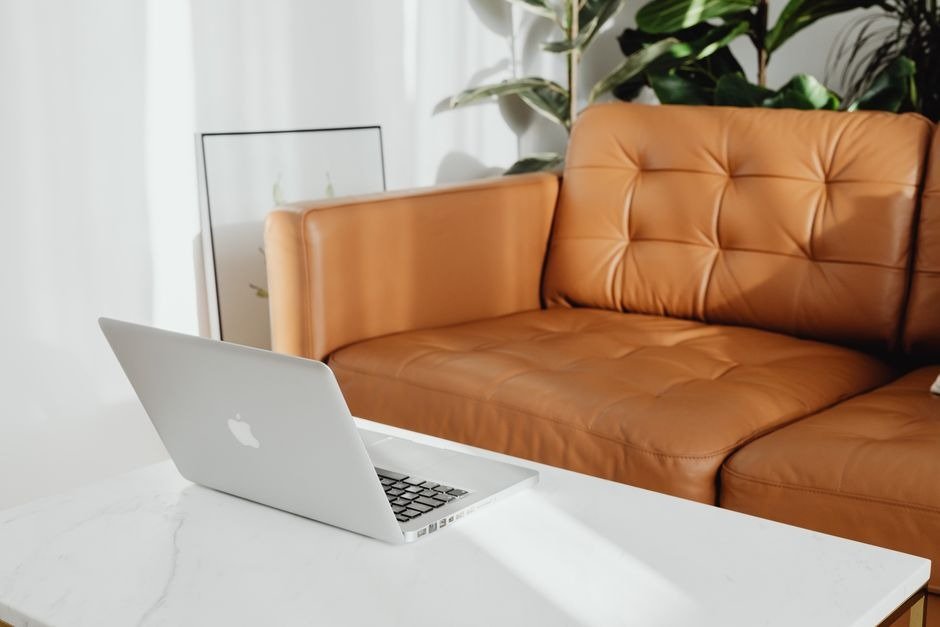
Leather sofas have significantly influenced interior design, consistently surfacing in emerging trends. Their ability to adapt to styles, from rustic to ultra-modern, highlights their transformative impact on living spaces. As minimalist design trends gain traction, the clean lines and neutral tones of many leather sofas perfectly encapsulate this aesthetic.
Urban and industrial themes, often characterised by exposed brickwork and metallic elements, also find a complementary companion in the leather sofa. The material’s natural look and feel add warmth and depth to these otherwise stark environments.
Moreover, leather’s inherent quality lends well to spaces aspiring for a vintage or retro look. Pairing a leather sofa with vintage accessories or mid-century modern pieces can evoke a sense of nostalgia while keeping the overall look polished and up-to-date.
Conclusion-Free Insights into the Unfinished Legacy
The enduring legacy of leather sofas rests not only in their material quality but also in their cultural significance and adaptability to emerging trends. As design preferences evolve and consumers demand more sustainable and versatile furniture solutions, leather sofas remain a testament to excellence in craft and design. This timeless furnishing invites us to delve deeper into its characteristics, ensuring continued relevance and resonance in the world of interior decor.