Setting up a Pilates workout area at home can make regular exercise much easier to fit into your schedule. Instead of travelling to a studio for every session, you can have your equipment ready whenever you have time to train. For people who enjoy controlled movements, resistance exercises, and focused core work, a Pilates performer machine can be a useful addition to a home fitness space.
The equipment you choose should match the way you prefer to exercise. A machine that offers different resistance levels and exercise positions can give you enough variety to keep your sessions interesting without requiring a room full of equipment.
A Pilates performer machine can support exercises for several areas of the body. Depending on the design, you may be able to work your legs, arms, shoulders, back, hips, and core during the same session. The moving carriage and resistance system also create a different experience from traditional mat Pilates.
What Is a Pilates Performer Machine?
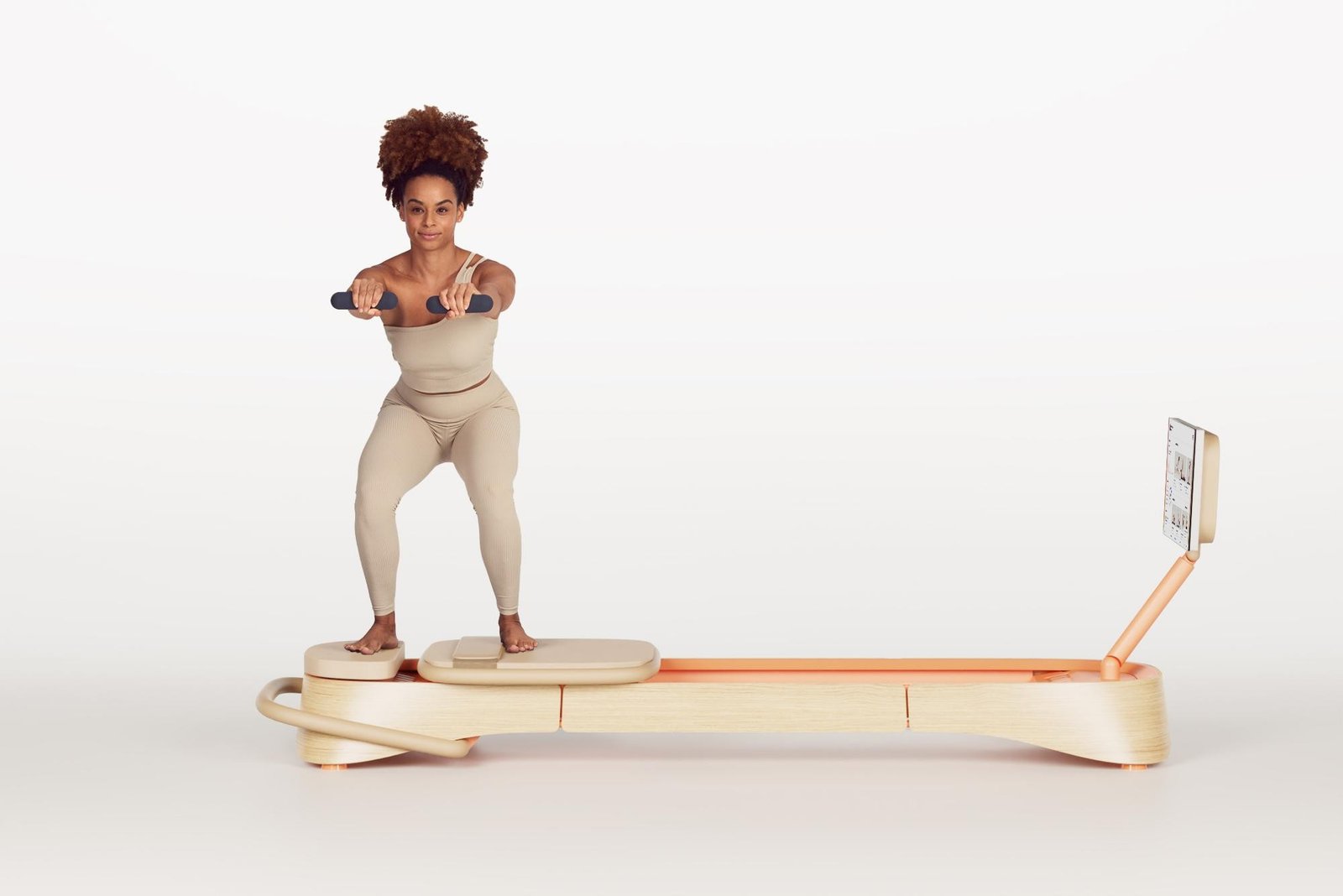
A Pilates performer machine is designed to support resistance based Pilates exercises. Many models include a moving platform or carriage, springs, a footbar, straps, and padded support areas.
The carriage moves as you apply force through your hands or feet. The springs provide resistance and can also help control the movement of the carriage.
This combination creates many exercise possibilities. You can perform movements while lying down, sitting, kneeling, or standing, depending on the machine and your experience.
The machine does not need to be used for complicated exercises. Basic movements can already provide a demanding workout when performed with controlled technique.
For home users, one of the main attractions is versatility. Instead of buying separate equipment for different muscle groups, a single machine can support a wide selection of exercises.
Why Use a Performer Machine at Home?
Home workouts offer convenience, but convenience alone does not guarantee that exercise will become a regular habit.
Having equipment available in your home can remove some common obstacles. There is no commute to a fitness studio, no need to wait for a machine, and fewer scheduling limitations.
You can choose a short workout before work, during a lunch break, or in the evening. Even when you only have a limited amount of time, having your equipment already set up can make it easier to begin.
A home machine can also give you more privacy. Some people feel more comfortable learning new exercises without other people around.
For experienced Pilates users, home equipment provides the freedom to repeat particular movements or build sessions around specific training goals.
Building a Beginner Routine
A beginner should spend some time becoming familiar with the machine before attempting advanced exercises.
Start by learning how the carriage moves and how the resistance system works. Understand how to adjust the footbar, straps, and springs before beginning your workout.
A basic session might start with gentle warm up movements. You can then move into simple footwork exercises followed by controlled movements for the arms and core.
There is no need to make your first session long. A shorter workout can help you understand how your body responds to the equipment.
As your technique improves, you can gradually introduce more exercises and increase the complexity of your routine.
The focus should remain on controlled movement rather than speed.
Working the Lower Body
The legs and hips can receive plenty of attention during a performer machine workout.
Footwork exercises allow you to push the carriage away and control its return using your legs. Changing foot position can alter the muscles involved and give you different movement patterns to work with.
Other exercises may involve straps around the feet, allowing controlled leg movements through different ranges of motion.
These movements can challenge the thighs, glutes, calves, and muscles around the hips.
The resistance should be appropriate for your experience. Using more resistance does not automatically make an exercise better. The movement should remain controlled from beginning to end.
Training the Core
Core control is central to many Pilates exercises.
A performer machine can make core training more varied because the carriage can move while you maintain stability through your torso.
Some exercises involve moving the arms or legs while keeping the trunk steady. Others require you to control the carriage through slow movements.
This type of training can encourage greater awareness of posture and body positioning.
You may notice that an exercise feels easy at first but becomes considerably harder when performed slowly. Maintaining control throughout the movement requires concentration and coordination.
Adding Upper Body Exercises
A Pilates performer machine is not limited to lower body training.
Straps and handles can be used for exercises involving the arms, shoulders, chest, and upper back. The resistance can usually be adjusted according to the exercise and your ability.
Upper body exercises can be performed in several positions, which allows you to change the demands placed on your body.
For example, an exercise performed while sitting may feel very different from one performed while kneeling because your body has to maintain stability differently.
Including upper body movements can make your workout feel more balanced rather than focusing exclusively on the legs and core.
Using the Machine for Flexibility
Strength is only one part of a Pilates routine.
Many exercises involve controlled stretching and movement through a comfortable range. The machine can provide support that allows you to explore movement without relying entirely on balance.
Straps can assist with certain leg stretches, while the carriage can provide controlled movement during exercises involving the hips and spine.
The goal is not to force a stretch. Slow movement and comfortable positioning are generally more useful than pushing beyond your natural range.
If you feel sharp pain during a stretch or exercise, stop and reassess the movement.
How Long Should a Home Session Be?
There is no single workout length that suits everyone.
A beginner might start with a shorter session while learning the machine. Someone with more experience may prefer longer sessions with several exercise sequences.
The quality of movement matters more than simply spending a certain amount of time on the equipment.
A focused 30 minute session can be useful when performed consistently. Longer sessions may be appropriate when you have more time and your body is comfortable with the workload.
You can also divide your workouts according to your schedule. A short session on a busy day and a longer session on a quieter day can both have a place in your routine.
Creating a Weekly Routine
A weekly plan can help prevent your workouts from becoming repetitive.
You might dedicate one session to lower body exercises, another to core and upper body movements, and another to a full body routine.
A lighter session can focus on mobility and controlled stretching.
Rest days can also be included. Your body needs time to recover, particularly if you are increasing resistance or workout duration.
You do not have to train intensely every time you use the machine. Varying the difficulty can make your routine more sustainable.
Making the Machine Work in a Small Room
Not everyone has a dedicated home gym.
A performer machine can still be used in a smaller room, provided there is enough surrounding space for the movements you plan to perform.
Measure the available area before purchasing equipment. Remember to consider the length of the machine while the carriage is in different positions.
You should also be able to get onto and off the equipment without bumping into furniture.
If your workout area also functions as a bedroom or living room, consider how the equipment will be stored when it is not being used.
Keeping the area organised can make it easier to start a workout without spending several minutes moving objects first.
What to Check Before Buying
The design of the machine matters because you will be using it repeatedly.
Look at the frame, carriage, springs, footbar, straps, padding, and adjustment system.
The carriage should move smoothly and feel stable during use. The padding should provide adequate comfort without making you feel unstable.
Adjustments should also be straightforward. If changing the footbar or resistance requires excessive effort, you may be less inclined to make changes between exercises.
Think about your own height and body proportions as well. A machine should allow you to exercise comfortably without forcing your body into awkward positions.
Choosing Resistance Levels
Resistance is one of the main features that separates equipment based Pilates from basic mat exercises.
The appropriate resistance depends on the movement and your ability.
A stronger resistance setting may be suitable for some leg exercises, while lighter resistance may be preferable for smaller upper body movements.
Beginners should take time to learn how the resistance feels before increasing it.
You should still be able to control the carriage throughout the movement. If the springs pull the carriage back too quickly or you struggle to maintain your position, the resistance may not be suitable for that exercise.
Keeping Your Workout Interesting
Repeating exactly the same routine every time can make exercise feel monotonous.
A performer machine gives you plenty of opportunities to vary your workouts.
Change the order of exercises, alternate between upper and lower body movements, adjust your resistance, or introduce new exercises as your experience grows.
You can also use small Pilates accessories alongside the machine. A ring, ball, or resistance band can add another dimension to certain movements.
You do not need to change everything at once. Small changes can keep familiar workouts interesting.
Developing Better Movement Control
One of the most useful aspects of Pilates is the emphasis on control.
A movement may look simple, but maintaining proper positioning while controlling resistance can require considerable concentration.
Instead of rushing through repetitions, focus on how the carriage moves and how your body responds.
Pay attention to your breathing as well. Coordinating breathing with movement can help you maintain focus during challenging exercises.
Over time, you may become more aware of small changes in posture, balance, and muscle engagement.
Safety Considerations for Home Workouts
Using a machine at home means you are responsible for setting it up correctly.
Check that springs and straps are properly attached before starting. Make sure the machine is positioned on a stable surface and that there is enough room around it.
Do not attempt advanced movements simply because you have seen them online. Some exercises require experience and a good understanding of body positioning.
If you are new to Pilates, instruction from a qualified professional can help you learn the basics.
Anyone recovering from an injury or dealing with a health concern should speak with an appropriate healthcare professional before starting a new exercise routine.
Maintaining Your Equipment
Regular care can help keep your machine in good working condition.
Wipe down surfaces after workouts, particularly areas that come into frequent contact with your hands or body.
Inspect straps and springs regularly for signs of wear. Follow the maintenance instructions provided with your specific machine.
Do not ignore unusual sounds or changes in carriage movement. If something feels different from normal, stop using the equipment until you understand the cause.
Taking a few minutes to check the machine can be much easier than dealing with a preventable equipment problem later.
Frequently Asked Questions
Is a Pilates performer machine suitable for beginners?
Yes. Beginners can use this type of equipment, but they should start with basic movements and learn how the machine works before progressing to more challenging exercises.
What muscles can I work with a performer machine?
Depending on the exercises you choose, you can work the legs, glutes, core, arms, shoulders, back, and muscles around the hips.
Can I use a Pilates performer machine every day?
Some people include light Pilates work in their daily routine, but demanding sessions should be balanced with appropriate recovery. Your workout frequency should reflect your experience and how your body responds.
How much space does a performer machine require?
The required space depends on the specific machine and the movements you plan to perform. Measure the equipment and leave additional room around it for safe exercise.
Do I need professional instruction?
Professional instruction is not required for every person, but it can be very helpful for beginners. Learning proper positioning and equipment adjustments can make home workouts safer and more effective.
Can I lose weight using a Pilates performer machine?
Pilates can contribute to physical activity and muscle conditioning. Changes in body weight depend on several factors, including overall activity, nutrition, individual metabolism, and consistency.
Is a performer machine useful for core workouts?
Yes. Many exercises require the torso to remain stable while the arms or legs move against resistance, making core control an important part of machine based Pilates.
How should I clean my Pilates machine?
Follow the cleaning instructions supplied with the equipment. In general, regularly wiping down frequently touched surfaces and keeping moving components free from unnecessary dirt can help maintain the machine.
What resistance should beginners use?
Beginners should start with a resistance level that allows them to maintain control throughout the exercise. The appropriate setting can vary from one exercise to another.
Can a performer machine replace a Pilates studio?
A home machine can provide many exercise options, but a studio also offers direct professional instruction and access to equipment that may differ from what you have at home. The choice depends on your preferences and training needs.
A Pilates performer machine can become a useful part of a home workout routine when it matches your space, experience, and exercise preferences. Start with movements you can perform comfortably, learn the equipment properly, and gradually build variety into your sessions. The machine can provide plenty of room for progression without requiring every workout to be long or complicated.