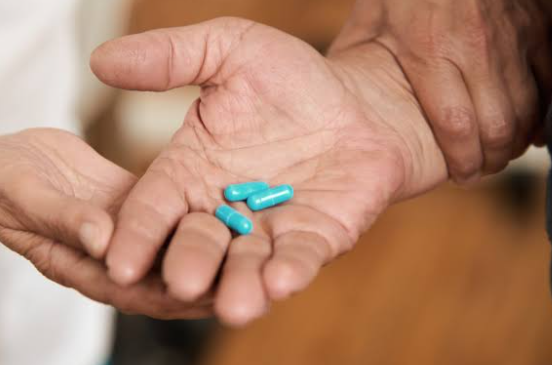
Millions of people take Vyvanse every day without incident, managing ADHD or binge eating disorder under a doctor’s care. But for a meaningful subset of those people, something shifts over time. The medication that once felt helpful starts to feel necessary. Not just useful, but required. That shift is worth understanding, whether you’re the one taking it or someone who cares about them.
This article covers how Vyvanse dependency develops, the physical and psychological signs that suggest a problem has taken hold, what discontinuation actually looks like, and how people typically recover. The goal is straightforward information, not alarm.
What Vyvanse Is and Why Dependency Is Possible
Vyvanse is the brand name for lisdexamfetamine, a central nervous system stimulant approved by the FDA for attention deficit hyperactivity disorder and moderate-to-severe binge eating disorder. It works by increasing levels of dopamine and norepinephrine in the brain, which improves focus and impulse control in people with ADHD.
Because Vyvanse is a Schedule II controlled substance, it carries a recognized potential for abuse and physical dependence. The Drug Enforcement Administration places it in the same category as other amphetamine-based medications, meaning federal regulators have formally acknowledged the risk. That does not mean everyone who takes it will become dependent, but it does mean the risk is real and documented.
The mechanism behind dependency is chemical. When dopamine is repeatedly flooded into the brain’s reward circuits by an external substance, the brain gradually recalibrates. It produces less dopamine on its own and reduces the number of dopamine receptors available. Over time, the brain begins to rely on the drug to feel baseline normal. This is the neurological foundation of stimulant dependency.
How Dependency Develops: From Prescription to Problem
Dependency rarely happens overnight. It usually follows a pattern that begins with therapeutic use, continues through tolerance, and may progress into compulsive use. Understanding that arc helps explain why some people genuinely do not notice a problem forming until it is well established.
Tolerance: The First Step
Tolerance means the same dose produces less of an effect over time. With Vyvanse, this often shows up as reduced focus benefits or a feeling that the medication is simply not working as well. Some people respond by taking more than prescribed or taking it more frequently. That dose escalation is one of the clearest early signs of developing dependency.
Psychological Reliance
Psychological reliance develops when a person feels incapable of functioning without the drug, even when physical need is not the primary driver. Someone might feel profound anxiety on days they do not take Vyvanse, or they might restructure their schedule to ensure they never miss a dose. That kind of cognitive preoccupation with access to the medication is a hallmark of psychological dependency.
Physical Dependence
Physical dependence is distinct from addiction, though the two often overlap. It simply means the body has adapted to the presence of the substance and will react when it is removed. A person can be physically dependent on Vyvanse while still taking it exactly as prescribed. The clearest evidence of physical dependence is withdrawal: symptoms that emerge when the drug is reduced or stopped.
Recognizing the Signs of Vyvanse Dependency
Because Vyvanse is a legitimate prescription medication, people sometimes dismiss or minimize their own symptoms. The signs below apply whether someone is taking the drug as directed or misusing it. The pattern matters more than the dosage.
- Taking higher doses than prescribed or taking doses more often than directed
- Strong cravings for the medication, especially when a dose is delayed
- Inability to cut back despite wanting to
- Continuing to use even after experiencing negative physical or emotional consequences
- Feeling emotionally flat, exhausted, or mentally slow without it
- Neglecting responsibilities or relationships because of medication use patterns
- Obtaining Vyvanse from sources other than a licensed prescriber
According to the Substance Abuse and Mental Health Services Administration, prescription stimulant misuse affects millions of Americans each year, with young adults between 18 and 25 representing a disproportionately high share of cases. That statistic does not tell the whole story, but it does clarify that Vyvanse-related dependency is not a rare edge case.
The Physical and Emotional Toll of Long-Term Use
Extended Vyvanse use at high doses can affect multiple body systems. The cardiovascular system is a primary concern. Stimulants raise heart rate and blood pressure, and sustained elevation over months or years increases the risk of cardiovascular complications. People with pre-existing heart conditions face a compounded risk.
Mental health effects are equally significant. Long-term stimulant use can worsen anxiety, contribute to irritability, and in some cases trigger or exacerbate psychotic symptoms. Sleep disruption is nearly universal in people using high doses, and chronic sleep deprivation feeds a cycle of emotional instability. Appetite suppression is another consistent issue, sometimes leading to significant unintentional weight loss and nutritional deficiencies.
| Body System | Potential Effects of Long-Term High-Dose Use |
| Cardiovascular | Elevated heart rate, increased blood pressure, palpitations |
| Mental Health | Anxiety, mood instability, possible psychotic symptoms |
| Sleep | Insomnia, fragmented sleep, chronic fatigue when not using |
| Nutrition | Appetite suppression, weight loss, micronutrient deficiencies |
| Neurological | Dopamine dysregulation, reduced motivation baseline, cognitive fatigue |
What Stopping Vyvanse Actually Looks Like
Stopping Vyvanse after prolonged use is rarely comfortable. The brain that has been relying on an external dopamine source must readjust to producing and regulating dopamine on its own again. That process takes time, and it comes with a recognizable set of symptoms.
Anyone considering stopping should be familiar with the stages of Vyvanse withdrawal, which tend to follow a predictable progression from an early crash phase through a period of extended low-grade symptoms before the brain gradually recalibrates.
The most common withdrawal symptoms include profound fatigue, increased sleep, depression, irritability, difficulty concentrating, and intense cravings. Some people also experience increased appetite as the appetite-suppressing effects of the drug wear off. These symptoms are rarely medically dangerous in the way that alcohol or benzodiazepine withdrawal can be, but they are genuinely difficult, and they are one of the main reasons people return to use before completing detox.
Tapering the dose gradually rather than stopping abruptly is generally recommended by clinicians, as it gives the brain time to adapt incrementally. Abrupt cessation tends to produce sharper and more intense symptoms. A prescribing physician or addiction medicine specialist can help design a taper schedule that reduces discomfort while still achieving the goal of discontinuation.
Recovery and What It Realistically Involves
Recovery from stimulant dependency is real and achievable. It is also not always linear. Many people experience what is sometimes called post-acute withdrawal syndrome, where low-level symptoms like depressed mood, low energy, and difficulty experiencing pleasure persist for weeks or even months after the drug is fully out of the system. Understanding that this is a known and expected part of the process, not a sign of permanent damage, helps people stay the course.
Behavioral treatment plays a central role in stimulant recovery because, unlike opioid addiction, there are no FDA-approved medications specifically designed to treat stimulant use disorder. Cognitive behavioral therapy has the strongest evidence base for this population. It helps people identify the thought patterns and triggers that drive use, develop coping strategies for cravings, and rebuild routines that support stable mood and energy without stimulants.
Support structures matter too. Peer support groups, accountability relationships, and in some cases residential or outpatient treatment programs all improve long-term outcomes. The research consistently shows that people who engage with some form of structured support recover at higher rates than those who attempt to manage on their own.
See also: Mental Health Resources: What Actually Helps
Addressing the Underlying ADHD or Eating Disorder
For people who were prescribed Vyvanse legitimately, recovery planning needs to account for the original diagnosis. Stopping a stimulant does not make ADHD or binge eating disorder disappear. A prescribing psychiatrist or physician can help identify non-stimulant alternatives or behavioral interventions that address the underlying condition without the dependency risk. Atomoxetine and viloxazine, for example, are non-stimulant ADHD medications that work through different mechanisms. Dialectical behavior therapy has strong evidence for binge eating disorder. These are not perfect substitutes for everyone, but they represent real options worth exploring with a qualified clinician.
Vyvanse is a medication that works well for many people and causes genuine problems for others. The line between therapeutic use and dependency is not always obvious from the inside, which is exactly why clear, practical information matters. If any part of this resonates as familiar, the most useful next step is an honest conversation with a doctor or addiction specialist who understands stimulant use.