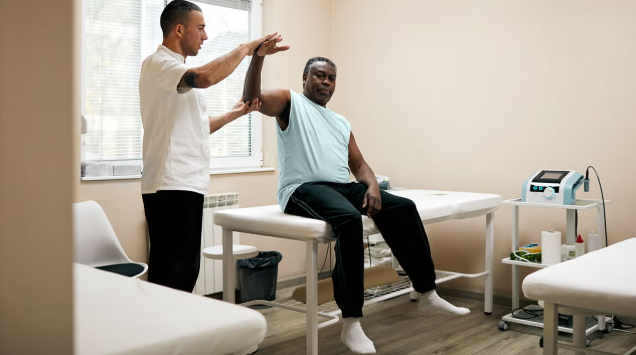
Physical health plays an important role in how people work, exercise, travel, and enjoy everyday life. When pain, stiffness, an injury, or limited mobility makes normal activities difficult, physical therapy can provide a structured path toward improved movement and function.
Physical therapy is not limited to athletes or people recovering from major injuries. It can benefit people dealing with everyday aches, joint problems, muscle weakness, mobility limitations, and other conditions that affect their ability to move comfortably. With the right approach, therapy can help people develop greater strength, flexibility, balance, and confidence in their physical abilities.
Understanding the Role of Physical Therapy
Physical therapy focuses on improving movement and physical function through targeted assessment and treatment. A therapist may evaluate mobility, strength, balance, posture, flexibility, and movement patterns before developing an individualized treatment plan.
Rather than simply addressing discomfort temporarily, physical therapy often focuses on identifying factors that may contribute to movement limitations. Treatment can include therapeutic exercises, mobility work, manual techniques, stretching, balance training, and education about movement and recovery.
This personalized approach allows treatment to be adapted to a person’s specific goals and physical needs.
See also: What Factors Matter When Comparing Protein Powder Options
Supporting Recovery After an Injury
Injuries can affect much more than the area where pain occurs. A knee injury, for example, may change the way someone walks, while a shoulder problem can make ordinary household tasks uncomfortable.
Physical therapy can help people gradually rebuild strength and mobility following an injury. A carefully designed rehabilitation program may begin with gentle movements and progress as the person’s capacity improves.
Following a structured rehabilitation plan can also help people regain confidence in using the affected area. Instead of avoiding movement because of fear or discomfort, patients can learn appropriate ways to move while gradually returning to normal activities.
Managing Back and Joint Discomfort
Back and joint discomfort are common reasons people seek professional physical therapy. Sitting for long periods, repetitive activities, poor movement habits, previous injuries, and reduced physical activity can all contribute to physical limitations.
A physical therapist can assess movement patterns and develop exercises designed around the individual’s condition and goals. Strengthening surrounding muscles, improving mobility, and learning better movement strategies may help support everyday function.
For people looking for professional guidance in Charleston, South Carolina, Atlas Physical Therapy provides hands-on physical therapy care designed to help patients work toward improved movement and physical performance.
Improving Strength and Flexibility
Strength and flexibility influence many everyday movements, from climbing stairs to carrying groceries. When certain muscles become weak or joints become less mobile, ordinary activities can become more challenging.
Physical therapy exercises can target specific areas of weakness or restricted movement. Depending on the person’s needs, a program may include strengthening exercises, stretching, mobility drills, and functional movements.
The goal is not necessarily to become an athlete. For many people, success simply means being able to move more comfortably, perform daily tasks independently, or return to activities they enjoy.
Building Better Balance and Mobility
Balance becomes particularly important as people get older or recover from certain injuries. Reduced balance can make everyday activities feel uncertain and may limit a person’s willingness to remain active.
Physical therapy can incorporate balance and coordination exercises appropriate to the individual’s abilities. Improving lower-body strength, coordination, and movement control can support safer and more confident mobility.
A therapist can also help identify movement challenges that may otherwise go unnoticed during normal daily activities.
The Value of Hands-On Care
One important aspect of physical therapy is the combination of professional assessment, exercise, education, and hands-on treatment. Manual techniques may be used when appropriate to help address mobility restrictions or support movement.
Hands-on care can also be combined with an active exercise program. This allows patients to participate directly in their recovery rather than relying solely on passive treatment.
A personalized plan can change as progress is made. Exercises that are appropriate at the beginning of rehabilitation may be adjusted or advanced as strength and mobility improve.
Physical Therapy and Long-Term Wellness
Physical therapy can also contribute to long-term physical wellness by teaching people how to move more effectively and maintain physical capacity.
Patients may learn exercises they can continue performing at home, strategies for managing physical demands, and ways to gradually return to activities after a period of reduced movement.
These lessons can be valuable beyond the treatment period. Developing better movement habits and maintaining appropriate strength and flexibility can support an active lifestyle over time.
Choosing the Right Approach
Every person has different physical goals. Someone recovering from a sports injury may need a different program from someone managing chronic joint discomfort or recovering from surgery.
For this reason, individualized care is important. A treatment plan should take into account the person’s current abilities, limitations, lifestyle, and goals.
Professional guidance can also help ensure that exercises are performed appropriately and progressed at a suitable pace.
Final Thoughts
Physical therapy can be a valuable part of recovery, mobility improvement, and long-term physical wellness. From helping people recover after injuries to improving strength, flexibility, balance, and everyday movement, therapy can support a wide range of physical goals.
The most effective approach is one that considers the individual rather than applying the same routine to everyone. With professional assessment, hands-on care, appropriate exercise, and consistent participation, many people can work toward moving more comfortably and confidently.
For individuals seeking physical therapy in the Charleston, South Carolina, area, Atlas Physical Therapy offers professional care focused on helping patients achieve their maximum physical potential.