Some dogs are happy with a small treat that disappears almost instantly, while others want something they can spend a considerable amount of time chewing. For owners of larger dogs or pets with strong chewing habits, finding a suitable chew can take some thought. The right product should be enjoyable for the dog while also fitting its size, chewing style, dietary needs, and daily routine.
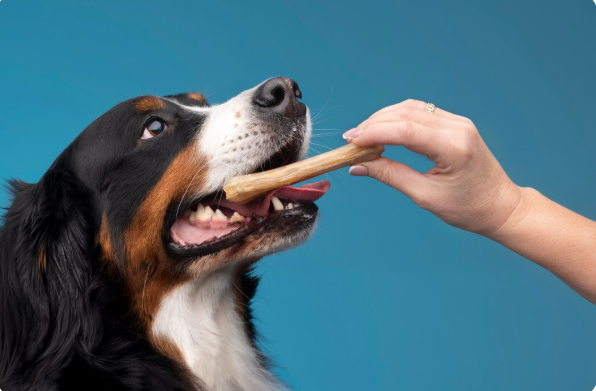
Large bully sticks are one option that many dog owners consider when looking for a substantial chew. They are made from beef and are known for their firm texture and natural composition. Depending on the size and thickness of the product and the chewing habits of the dog, they can provide a longer chewing experience than many smaller treats.
However, choosing an edible chew should involve more than looking for the largest available option. Dogs have different needs, and a product that works well for one animal may not be appropriate for another. Understanding how bully sticks fit into a dog’s routine can help owners make more thoughtful decisions.
Why Dogs Enjoy Chewing
Chewing is a natural behavior for dogs. Puppies explore their surroundings through their mouths, while adult dogs may chew because they find the activity enjoyable or relaxing.
Some dogs have particularly strong chewing instincts. They may seek out objects throughout the day and quickly lose interest in toys or treats that do not provide enough resistance.
Providing an appropriate chew can give these dogs an acceptable outlet for their natural behavior.
Chewing can also provide mental engagement. Instead of simply eating a soft treat, a dog may spend time working on a firm chew. This can make the treat feel more like an activity.
Still, chewing should be part of a balanced lifestyle that also includes exercise, training, play, interaction, and rest.
What Are Bully Sticks?
Bully sticks are edible dog chews made from beef. They are processed and dried to create a firm product that dogs can gradually chew.
They are available in different lengths and thicknesses. Some are relatively slim, while others are much thicker and intended for larger dogs or stronger chewers.
The texture is one of the reasons they are popular. Dogs can hold the chew between their paws or work on it with their mouths, providing an activity that may last considerably longer than a conventional soft treat.
Because products can differ in thickness, size, processing, and ingredients, owners should always read the packaging before making a purchase.
Why Large Bully Sticks Can Be Useful for Bigger Dogs
A large dog may quickly consume a small chew. Choosing an appropriately sized product can provide a more suitable chewing experience.
Large bully sticks are generally intended for dogs that need a more substantial chew. Their greater size and thickness can give larger dogs more material to work through.
This does not mean that every large dog automatically needs the largest chew available. Individual chewing strength matters just as much as physical size.
A large dog that chews gently may have different requirements from a large dog that aggressively destroys every chew it receives.
Consider Your Dog’s Chewing Style
Before purchasing a chew, observe your dog’s behavior.
Does your dog slowly nibble? Does it bite down forcefully? Does it attempt to swallow treats quickly? Does it carry chews around before settling down with them?
These behaviors can help determine which type of product may be appropriate.
A dog that swallows treats rapidly may require closer supervision. A strong chewer may need a thicker product than a dog that gently works through treats.
There is no universal definition of the perfect chew because dogs interact with products differently.
Size and Thickness Matter
The size of the chew is particularly important.
A product that is too small can potentially be consumed too quickly, especially by a large dog. A thicker product may provide a longer chewing session and may be easier for a larger dog to handle.
When selecting large bully sticks, check the recommended dog size and consider the actual dimensions rather than relying only on the product name.
Two products described as large may still differ considerably in thickness and length.
If your dog is a particularly powerful chewer, pay attention to how it handles the chew during the first few sessions.
Consider Your Dog’s Age
Age is another important factor.
Puppies may have developing teeth and should receive products appropriate for their stage of development. Adult dogs generally have stronger jaws and may be able to handle firmer products.
Senior dogs can have different chewing abilities, especially if they have dental problems or sensitive teeth.
A chew that was suitable for your dog when it was younger may not remain appropriate forever.
If you notice that your older dog has become reluctant to chew or seems uncomfortable with firm products, speak with your veterinarian before continuing with the same type of chew.
Dental Health Should Not Be Ignored
Dogs use their teeth extensively when chewing, which means dental condition should always be considered when choosing edible products.
Some dogs have strong teeth and healthy gums, while others may have broken teeth, gum disease, or oral sensitivity.
If your dog has a known dental problem, very firm chews may not be suitable.
Signs that may indicate dental discomfort include:
- Difficulty eating
- Dropping food
- Excessive drooling
- Pawing at the mouth
- Reluctance to chew
- Changes in appetite
- Unusual mouth odor
If you notice these symptoms, professional veterinary advice is more appropriate than simply changing the type of treat.
Bully Sticks as an Occasional Treat
Even though bully sticks are made from animal protein, they should generally be considered treats rather than complete meals.
Dogs need a balanced diet that supplies all essential nutrients in appropriate proportions. Treats should complement that diet rather than replace it.
Owners should also consider calorie intake. A substantial chew can contain more calories than a small training treat.
If your dog receives frequent chews, snacks, and training rewards, those calories should be considered as part of its overall food intake.
This is especially important for dogs that are prone to weight gain.
Chewing Can Provide Mental Stimulation
A suitable chew can give a dog something to focus on.
This can be useful when a dog is relaxing at home or needs an activity after physical exercise.
Chewing is only one type of mental enrichment, however. Dogs also benefit from training, scent games, interactive play, exploration, and social interaction.
A chew should therefore be viewed as one part of a varied routine.
Giving a dog a chew does not eliminate the need for walks or other activities.
Supervision Is Important
Pet owners should supervise dogs while they are enjoying edible chews.
Watch how your dog interacts with the product. Pay attention to whether it chews gradually or attempts to break off and swallow large pieces.
As the chew becomes smaller, it may become easier for a dog to swallow it whole.
If the remaining piece becomes small enough to present a potential swallowing concern, remove it.
Supervision also allows you to notice whether the product is causing any unusual behavior or discomfort.
Storage and Hygiene
Bully sticks are edible products, so proper storage matters.
Keep unopened products according to the instructions on the packaging. After opening, follow any storage recommendations provided by the manufacturer.
Store chews somewhere your dog cannot access them without permission. This makes it easier to control how many treats your pet receives.
Keeping treats stored properly also helps maintain their quality.
If a product develops an unusual odor, appearance, moisture, or signs of spoilage, it should not be given to the dog.
Introducing a New Chew
If your dog has never had a bully stick before, introduce it gradually.
Give your dog an opportunity to smell and inspect the chew. Watch how it begins chewing and how quickly it works through the product.
The first session can provide valuable information about your dog’s chewing style.
If your dog attempts to swallow large pieces, the product may not be appropriate for its behavior.
If the dog chews calmly and comfortably, you can determine whether the product fits into its occasional treat routine.
Consider Dietary Sensitivities
Although bully sticks are generally made from beef, individual products can vary.
Dogs with food allergies or sensitivities may require more careful ingredient selection.
Always check the packaging for ingredient information. If your dog follows a restricted diet, discuss new treats with your veterinarian before introducing them.
Digestive reactions can also occur when a dog receives a new treat.
If your dog develops persistent vomiting, diarrhea, loss of appetite, or another concerning symptom after eating a new product, stop offering it and seek appropriate veterinary guidance.
Keep an Eye on Portion Control
A large chew can be easy to think of as a single item rather than part of a dog’s daily calorie intake.
However, the size of a treat does not make its calories irrelevant.
Consider the dog’s regular meals and other treats when deciding how often to provide a bully stick.
Dogs that are overweight or prone to weight gain may need stricter control of treats.
A veterinarian can help you determine appropriate calorie intake if you are uncertain about your dog’s dietary needs.
Choose Quality Over Appearance
When selecting large bully sticks, avoid making a decision based only on appearance or packaging.
Look for clear product information, ingredient details, appropriate size guidance, and storage instructions.
A trustworthy product should provide enough information for an owner to understand what they are purchasing.
The product should also be suitable for the dog’s size and chewing style.
If you cannot determine whether a chew is appropriate for your dog, choosing a different product with clearer information may be a better decision.
Watch How Your Dog Uses the Chew
Your dog can tell you a lot through its behavior.
If it happily settles down and gradually works on the chew, that may indicate that it enjoys the texture and activity.
If it immediately attempts to break off large pieces or becomes unusually possessive, closer supervision may be needed.
Some dogs may also show resource guarding behavior around high value treats. If your dog growls, snaps, stiffens, or guards the chew, do not attempt to forcibly take it away.
Behavioral training and professional guidance may be appropriate when resource guarding becomes a recurring concern.
Combine Chewing With Other Activities
A chew is most useful when it complements a balanced daily routine.
A large dog may need regular walks, active play, training exercises, and opportunities to explore. Chewing can provide another activity during quieter periods.
For example, after a suitable walk, your dog may enjoy settling down with an appropriate chew while the household relaxes.
This creates a natural transition from activity to rest.
The goal is not to keep the dog occupied with treats throughout the entire day, but to use them thoughtfully as part of enrichment.
When a Bully Stick May Not Be Appropriate
Not every dog is a good candidate for every edible chew.
A dog with significant dental problems may need softer options. A dog with food sensitivities may need a different protein source. A dog that attempts to swallow large pieces may require another type of enrichment.
Puppies and senior dogs may also have special considerations.
If you are uncertain, speak with a veterinarian who knows your dog’s health history.
Making a Thoughtful Choice
Choosing large bully sticks should begin with your individual dog’s needs.
Consider size, age, chewing strength, dental health, dietary restrictions, calorie requirements, and behavior.
Once you have selected an appropriate product, supervise your dog and inspect the chew throughout the session. Remove it when it becomes too small or damaged.
A good chew should be enjoyable without becoming the center of your dog’s diet or daily routine.
With sensible portion control and appropriate supervision, an edible chew can become a useful addition to a dog’s enrichment options.
FAQs
What are bully sticks made from?
Bully sticks are edible dog chews made from beef. They are processed and dried to create a firm texture that dogs can chew.
Are large bully sticks suitable for all dogs?
No. They are generally more appropriate for larger dogs or dogs that need a substantial chew, but individual chewing behavior, age, dental health, and dietary requirements should also be considered.
How long do bully sticks last?
The chewing time varies considerably. A gentle chewer may take much longer to finish one than a powerful chewer. Thickness and length also influence how long the product lasts.
Can puppies have bully sticks?
This depends on the puppy’s age, size, chewing behavior, and the specific product. Check the manufacturer’s recommendations and consult a veterinarian if you are uncertain.
Should I supervise my dog with a bully stick?
Yes. Supervision allows you to monitor how your dog chews the product and remove it if it becomes small, damaged, or otherwise unsuitable.
Can bully sticks replace dental care?
No. Although chewing involves the teeth, bully sticks should not replace regular dental hygiene or veterinary dental care.
Are bully sticks high in calories?
They can contribute a significant number of calories depending on their size. Treats should be considered as part of the dog’s overall daily calorie intake.
What if my dog swallows a large piece?
If you believe your dog has swallowed a concerning piece or begins showing symptoms such as choking, repeated vomiting, difficulty breathing, or significant distress, seek veterinary assistance promptly.
How should I store bully sticks?
Follow the storage instructions provided with the product. Keep them in a suitable location and make sure your dog cannot access the supply without supervision.
Can dogs with food allergies have bully sticks?
It depends on the allergy and the ingredients in the specific product. Dogs with known food sensitivities should have treats selected carefully, ideally with veterinary guidance.