Traditional martial arts competitions rely on weight categories, timed rounds, and strict referee oversight. In contrast, real-world street confrontations involve chaotic environments, sensory overload, and unpredictable physical threats where stylized choreography fails. Developing functional personal protection requires training that reprograms natural human flinch instincts into decisive combative responses, bridging athletic conditioning with pragmatic situational de-escalation.
Developing genuine defensive capability requires controlled, reality-based simulation rather than theoretical drills. Training with dedicated academies like SGS Krav Maga introduces practitioners to instinctive threat neutralization, weapon defense, and ground escape tactics in a safety-first training environment. Utilizing modern biometric diagnostic tools such as the PowerKube Combat Performance Center, students measure kinetic strike velocity and impact force objectively, building muscle memory that holds up under severe adrenaline dumps.
Reprogramming the Instinctive Flinch Response
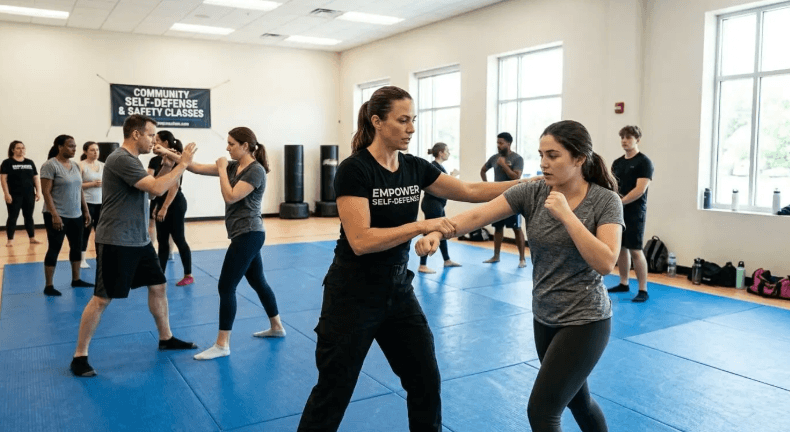
Under acute stress, fine motor skills rapidly deteriorate as peripheral vision narrows and heart rates spike into high aerobic zones. Practical Krav Maga bypasses intricate joint manipulations in favor of gross motor biomechanics—utilizing elbow strikes, palm heels, and low-line kicks that function reliably even when caught off guard. By drilling dynamic defense scenarios against multiple attackers or confined-space ambushes, participants learn to break free from aggressive grabs and create immediate exit pathways.
Tailored Defense Modules for Diverse Demographics
Effective defensive readiness cannot follow a one-size-fits-all curriculum. Specialized women’s self-defense programs emphasize overcoming substantial size and strength disparities through leverage, targeted vulnerable-point disruption, and assertive vocal boundary setting. Similarly, age-tailored youth programs develop foundational spatial awareness, anti-bullying strategies, and physical resilience without fostering unnecessary aggression.
Sustained defensive capability requires integrating cardiovascular conditioning with mental composure. Engaging in structured combative training through sgskravmaga.com.au allows students across Sydney’s St George and Sutherland Shire regions to build functional core strength while mastering real-world de-escalation protocols. Regular partner pad-work and scenario stress-testing cultivate the calm situational awareness necessary to identify perimeter hazards early and avoid confrontations altogether.
Cultivating Lifelong Situational Awareness
The ultimate objective of combative training is avoiding violence rather than seeking it. Heightened situational awareness allows individuals to detect pre-incident indicators, maintain safe reactionary gaps, and exit precarious environments before physical intervention becomes necessary. Coupling physical fitness with practical defensive discipline provides everyday citizens with enduring confidence, physical vitality, and peace of mind.