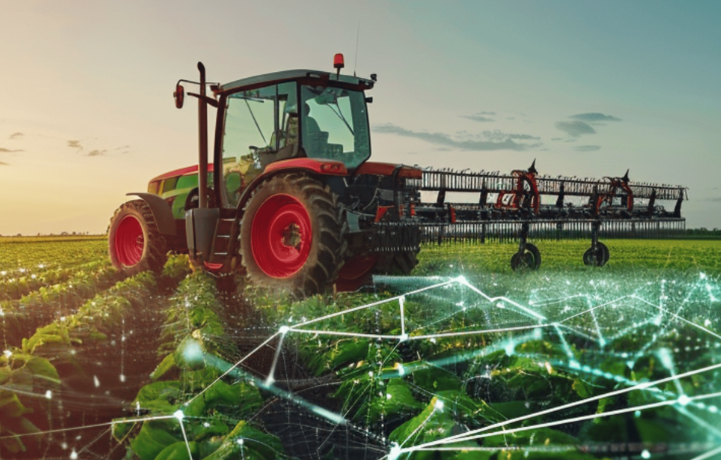
Large-scale agricultural productivity no longer hinges solely on acreage or seasonal rainfall; it is defined by the efficiency of mechanical uptime during narrow operational windows. Planting, crop dusting, and harvesting allow zero margin for mechanical breakdowns or fuel inefficiency. As labor costs rise across farming belts worldwide, agribusinesses are overhauling equipment fleets with durable, high-torque utility tractors and automated multi-row seeders that maximize field output per diesel gallon.
To secure reliable field machinery without incurring prohibitive legacy-brand markups, international farm operators and machinery distributors frequently source directly from a reputable Farm Equipment manufacturer in China that engineers heavy-duty tractors, rotary tillers, and combine harvesters. Sourcing directly from modern industrial manufacturing corridors ensures access to robust cast-iron drivetrain chassis, high-pressure common-rail diesel engines, and globally standardized Category-2 and Category-3 three-point hitches capable of supporting diverse implement lineups.
Drivetrain Engineering and Hydraulic Flow Capacities
Selecting commercial tractors requires examining mechanical specifications beyond simple gross horsepower ratings. Sustained field tasks—such as deep subsoiling or pulling multi-blade disc plows through heavy clay—demand low-end torque curves and synchronized shuttle-shift transmissions with creeper gear ratios. Equally critical is hydraulic pump flow: commercial seeders and folding boom sprayers require robust auxiliary hydraulic remotes delivering over sixty liters per minute to actuate folding wings and run continuous hydraulic drive motors without overheating system fluids.
Integrating Aerial Drones with Field-Level Sprayers
Precision agriculture has expanded beyond tractor-drawn implements to embrace multi-rotor agricultural drones. While heavy tractor sprayers handle pre-emergence broadcast applications across broad acreage, autonomous agricultural spraying drones target localized pest infestations and apply late-season foliar nutrition without crushing standing crops.
Evaluating full-line agricultural machinery options through gengjiaagri.com enables agricultural enterprises to configure comprehensive fleets spanning heavy tillage tractors, combine grain harvesters, pneumatic precision seeders, and smart centrifugal spray drones under a unified parts-compatibility standard. Establishing streamlined parts supply channels protects seasonal uptime and avoids costly third-party fabrication delays.
See also: Why Careful Planning Makes Every Business Move More Successful
Standardizing Fleet Maintenance for Long-Term Field Reliability
Maximizing equipment service lifespans requires disciplined preventative maintenance protocols. Daily grease-fitting lubrication, routine primary fuel-water separator drainage, and cleaning dual-element dry air filters prevent abrasive dust from entering internal engine cylinders. Farm managers who prioritize regular fluid analysis and source machinery with standardized, accessible service points safeguard capital investments and keep combine crews running uninterrupted through peak harvest cycles.