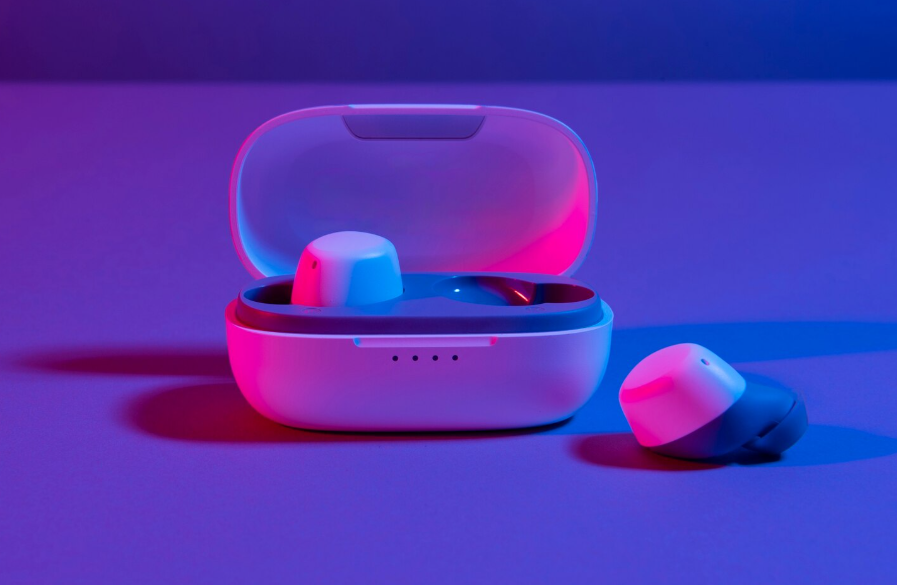
In recent years, the world of personal audio technology has seen a remarkable transition from bulky headphones to sleek, compact wireless earbuds. One brand that has consistently remained at the forefront of this transformation is JBL. Known for its superior audio performance and ergonomic designs, JBL has an unrivalled reputation in the industry. The popular range of JBL wireless earbuds has gained recognition for their superb balance of high-quality sound and innovative functionality.
A Brief History of Wireless Earbuds
The journey of wireless earbuds began in the early 21st century. Initially, wired earbuds dominated the market due to their simplicity and compatibility with various devices. However, the need for convenience and freedom of movement led to the development of wireless options. This evolution was spurred on by advances in Bluetooth technology, which allowed for seamless connectivity and robust audio transmission without the need for physical wires.
The introduction of truly wireless earbuds, devoid of any cords connecting the two earpieces, marked a pivotal moment in the industry. These devices catered to the demands of consumers who were looking for portability and ease of use. Over the years, improvements in battery life, sound quality, and features like active noise cancellation have elevated the performance and appeal of wireless earbuds.
See also: MacBook Repair Guide: Understanding Common Issues and Solutions
Technology Driving Wireless Earbuds
Modern wireless earbuds are powered by a multitude of technologies. Bluetooth is central to their operation, enabling them to connect to smartphones, tablets, and computers seamlessly. The latest Bluetooth versions offer improved range, connection stability, and energy efficiency, making them integral to the performance of earbuds.
Battery life has also seen exponential improvements. Early models required frequent charging, which was a significant drawback. However, today’s offerings can provide several hours of playback time on a single charge, with charging cases that extend this even further. Fast charging technology allows users to gain hours of listening time from just a few minutes of charging.
Active noise cancellation (ANC) has become a sought-after feature in wireless earbuds. By using microphones to pick up external sounds and generating sound waves that counteract them, ANC significantly enhances the listening experience in noisy environments. This feature is particularly beneficial for commuters and frequent travellers who wish to enjoy their music without distraction.
Design and Ergonomics
The design of wireless earbuds is as crucial as their technological capabilities. Comfort, fit, and aesthetics play a significant role in consumer choice. Manufacturers are continuously exploring new materials and designs that ensure earbuds sit securely and comfortably in the ear, even during vigorous activity.
The use of silicone tips, memory foam, and customisable fittings allows for a tailored experience. This is important not just for comfort, but also for sound quality, as a good seal in the ear canal improves bass response and passive noise isolation. Additionally, modern designs prioritise compact dimensions without compromising on audio performance, enabling portability and ease of use.
Sound Quality and Performance
Sound quality remains a crucial factor in the appeal of wireless earbuds. Advances in driver technology have allowed manufacturers to produce small earbuds that deliver powerful and clear audio across a wide frequency range. High-fidelity codecs such as AAC, aptX, and LDAC allow for higher data rates that close the gap between wireless and wired sound quality.
Bass response, clarity, and dynamic range are all important aspects of earbud performance. Customisable equaliser settings, often accessible through companion smartphone apps, enable users to tailor the audio to their preferences. This personalisation is invaluable for audiophiles seeking an optimal listening experience.
Market Trends and Consumer Preferences
The global market for wireless earbuds is booming, driven by constant innovation and consumer demand. Preference for wireless devices has grown as they align with the mobile and active lifestyles of modern consumers. Fitness and health-conscious users, in particular, appreciate features like water resistance and biometric sensors that track activity and health metrics.
Integration with voice assistants such as Siri, Google Assistant, and Alexa is another trend that enhances the functionality of wireless earbuds. With simple voice commands, users can control their music, check the weather, or manage their schedules without needing to reach for their devices.
Environmental Considerations and Sustainability
As the popularity of wireless earbuds continues to rise, so do concerns about their environmental impact. Manufacturers are increasingly considering sustainability by using recycled materials in their products and packaging. The reduction of electronic waste is another area of focus, encouraging the development of longer-lasting batteries and modular designs that allow for easy repairs and upgrades.
While wireless earbuds offer remarkable convenience and functionality, their production, usage, and disposal must be managed responsibly to minimise environmental harm. Increasing efforts in this area are crucial for achieving sustainable growth in the personal audio market.

Future Innovations
The future of wireless earbuds promises even greater advancements in technology and design. Emerging concepts such as augmented reality audio will transform listening experiences by layering digital sounds onto the real world. Spatial audio techniques, which simulate surround sound, are gaining traction and will further enhance audio immersion.
Moreover, 5G technology is set to revolutionise connectivity, enabling lower-latency audio transmission and new possibilities for interactive and collaborative audio experiences. These developing trends indicate a vibrant future for wireless earbuds, with endless opportunities for innovation and improvement.
As wireless earbuds continue to evolve, they reflect advancements not just in audio technology but in lifestyle integration and environmental consciousness, ensuring they remain indispensable accessories in a rapidly advancing technological landscape.