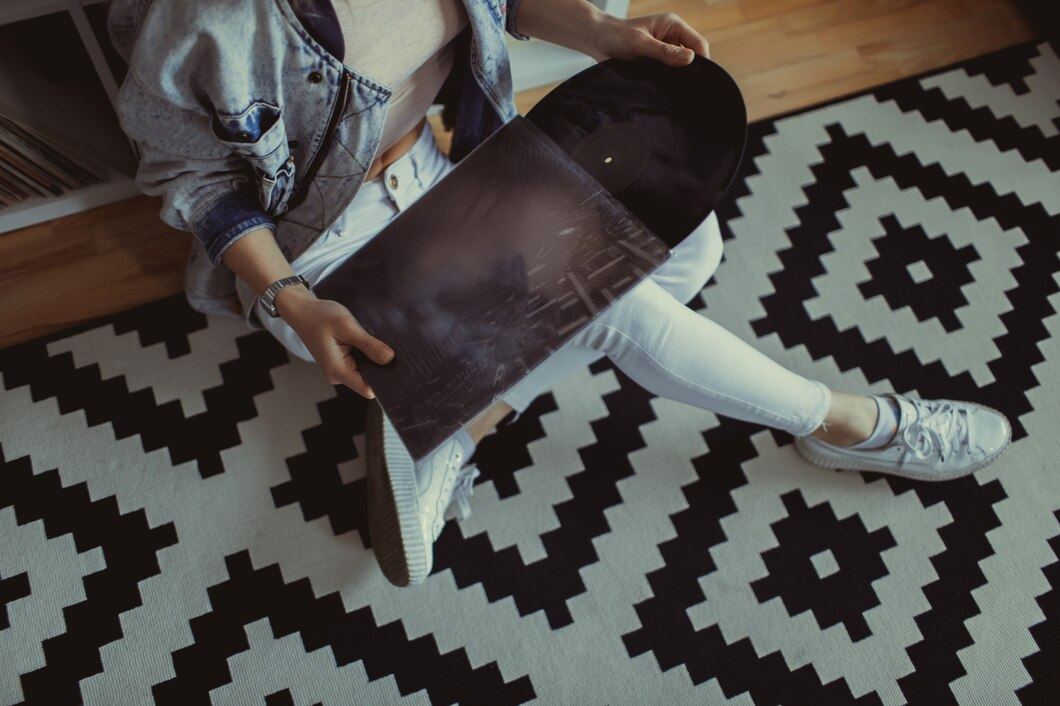
A well designed room is more than a collection of furniture and accessories. It is a reflection of personality, lifestyle, and creative vision. While wall colors, lighting, and furnishings often receive the most attention, the floor is one of the largest visual surfaces in any space. The right rug can transform that surface from a background element into a striking focal point. This is why more homeowners and designers are embracing custom design rugs as a way to turn creative ideas into meaningful statement pieces.
Custom rugs allow people to move beyond standard patterns and sizes. Instead of selecting a product that almost works, they can create one that perfectly fits their space, color palette, and design goals. The process is not only about decoration; it is about translating imagination into a tangible feature that shapes the atmosphere of an entire room.
Starting With a Vision
Every statement piece begins with an idea. Sometimes the inspiration comes from a favorite piece of artwork, a travel memory, a natural landscape, or even a fabric swatch. In other cases, the goal is to solve a design challenge, such as tying together different furniture styles or adding warmth to a minimalist interior.
A thoughtfully planned custom design rug can help bring all of these elements together, creating a seamless connection between creativity, comfort, and the overall character of the space.
The most successful custom rug projects start by asking a few important questions:
- What feeling should the room create?
- Which colors are already present in the space?
- Should the rug stand out boldly or complement the surroundings?
- What size and shape will best define the area?
These questions help transform a vague concept into a clear design direction. A custom rug becomes much easier to create when the vision is connected to the function and mood of the room.
Finding Inspiration in Everyday Elements
Inspiration is everywhere, and custom rugs often become more interesting when they are rooted in personal experiences. A homeowner may choose flowing patterns inspired by ocean waves, geometric forms influenced by modern architecture, or earthy tones that reflect a love of nature.
Designers frequently build rug concepts around existing elements in the room. A sofa with curved lines may inspire a soft organic pattern, while a contemporary dining space may call for structured geometric shapes. Because the rug covers a significant portion of the floor, it has the power to echo and strengthen the visual language of the entire interior.
This level of personalization is one of the biggest advantages of custom design rugs. Rather than following trends, the design can tell a story that is unique to the people who live in the space.
Choosing the Right Colors
Color is often the first feature people notice when entering a room. A custom rug provides complete control over the palette, making it possible to achieve harmony or contrast with precision.
Neutral rugs create a calm and sophisticated foundation, while bold colors can energize a space and draw immediate attention. Many designers use a balanced approach by combining a dominant neutral with one or two accent colors taken from cushions, artwork, or curtains.
The ability to adjust shades and proportions is especially valuable in custom work. If a standard rug contains too much blue or not enough warmth, the design can be refined until it feels perfectly integrated with the room.
Pattern and Texture as Design Tools
A statement rug does not rely on color alone. Pattern and texture play an equally important role in creating visual impact.
Large scale patterns tend to make a room feel more dramatic and contemporary, while smaller repeating motifs often create a sense of tradition and detail. Organic patterns can soften rigid architecture, and geometric designs can bring structure to open spaces.
Texture adds another dimension. High and low pile combinations, carved details, and mixed materials create depth that changes with light and movement. In many cases, a textured neutral rug can be just as striking as a brightly colored one because it invites people to look closer and experience the surface in a more tactile way.
Designing for the Space
One of the most common frustrations with ready made rugs is finding the correct size. A rug that is too small can make furniture appear disconnected, while one that is too large may overwhelm the room.
Custom rugs eliminate this compromise. They can be made to fit unusual room dimensions, curved walls, open plan layouts, or specific furniture arrangements. This flexibility is particularly useful in dining rooms, large living areas, entryways, and luxury bedrooms.
When a rug is designed specifically for the space, it helps define zones and improve visual balance. The floor feels intentional rather than incidental, which is a key characteristic of high quality interior design.
Collaboration Brings Ideas to Life
Turning a creative vision into a finished rug is often a collaborative process. Designers, artisans, and homeowners work together to refine sketches, select materials, adjust colors, and review samples.
This collaboration is where ideas become practical. A pattern that looks beautiful on paper may need to be simplified for weaving, or a color may appear different under natural light. Sampling allows these adjustments to happen before production begins.
The process requires patience, but it also creates a deeper connection to the final piece. People are not simply purchasing a rug; they are participating in its creation.
Craftsmanship Matters
A statement piece must do more than look attractive. It should also be well made. The quality of materials and craftsmanship affects durability, comfort, and long term appearance.
Wool remains one of the most popular choices because of its resilience, softness, and ability to hold color. Silk can add luxury and subtle sheen, while modern synthetic fibers may offer practical benefits for high traffic areas.
Hand tufted, hand knotted, and flat woven techniques each produce different visual and tactile results. The construction method should align with both the design intent and the functional needs of the space.
Investing in quality craftsmanship ensures that the rug remains a feature of the home for many years rather than a short term decorative purchase.
Creating a Lasting Focal Point
The true power of a custom rug is revealed when the room comes together. Furniture, lighting, and accessories begin to relate to the rug, and the space gains a sense of cohesion.
A well designed custom rug can anchor a seating area, elevate a dining room, add warmth to a bedroom, or create a memorable first impression in an entryway. It becomes the element that people notice, remember, and talk about.
Unlike mass produced décor, a custom rug carries intention. Its colors, patterns, proportions, and textures have been chosen for a specific environment and a specific vision.
Conclusion
From the first spark of inspiration to the final placement on the floor, the journey of creating a custom rug is a process of transformation. Creative ideas are shaped by color, pattern, texture, scale, and craftsmanship until they become a statement piece that defines the character of a room.
In a world filled with standardized products, custom design rugs offer something increasingly valuable: individuality. They allow homeowners and designers to express personal stories, solve design challenges, and create spaces that feel truly original.
When vision is translated thoughtfully into design, the floor becomes more than a surface. It becomes a canvas, and the rug becomes a work of art that brings the entire interior to life.