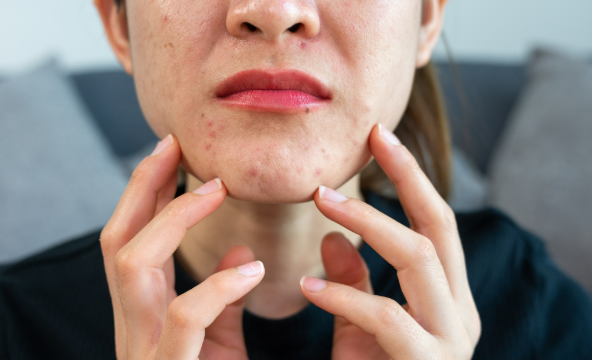
Accutane has cleared the skin of millions of people who struggled with severe acne for years. For many patients, it feels like a near-miracle. But isotretinoin, the active compound sold under the brand name Accutane, is also one of the most pharmacologically demanding medications a dermatologist can prescribe. It comes with a long list of precautions, mandatory blood tests, and a federally managed monitoring program called iPLEDGE. One question that comes up constantly, especially among college-age patients, is whether it is safe to drink alcohol while taking it. The short answer is no. The full answer is worth understanding.
How Accutane Works in the Body
Isotretinoin is a retinoid, meaning it is derived from vitamin A. It works by dramatically reducing the size and output of sebaceous glands, which are the oil-producing structures in skin that feed the environment where acne-causing bacteria thrive. A typical course runs four to six months, and most patients see long-term or permanent remission of severe acne after a single round of treatment.
Because isotretinoin is fat-soluble, it gets absorbed with dietary fat and then processed through the liver. That processing step is critical to the entire conversation about alcohol. The liver is not just a passive filter. It is an active metabolic organ that handles an enormous chemical workload, and isotretinoin places a direct, measurable burden on it. Elevated liver enzymes are common enough during treatment that dermatologists routinely order liver function tests at the start of therapy and at intervals throughout.
What Alcohol Does to Liver Function
Alcohol is metabolized almost entirely by the liver. When you drink, your liver prioritizes breaking down ethanol above nearly every other metabolic task. The process produces acetaldehyde, a toxic byproduct, before it is eventually converted into harmless acetate. Heavy drinking over time causes fatty liver, inflammation known as alcoholic hepatitis, and eventually fibrosis or cirrhosis if the damage accumulates unchecked.
Even moderate drinking creates a temporary state in which the liver is dividing its attention. Enzymes that would otherwise be free to process other compounds are occupied with alcohol. This is relevant to any medication that relies on hepatic metabolism, but it is especially relevant to isotretinoin because the drug itself already pushes liver enzyme levels upward in a significant portion of patients.
| Factor | Accutane Alone | Alcohol Alone | Both Together |
| Liver enzyme elevation | Common; monitored via blood tests | Occurs with heavy or chronic use | Risk compounds significantly |
| Triglyceride levels | Can rise during treatment | Alcohol independently raises triglycerides | Combined effect may be severe |
| Hydration and kidney stress | Drying effect on mucous membranes | Diuretic effect increases dehydration | Dehydration worsens side effects |
| Mental health effects | Linked to mood changes in some patients | Depressant; worsens mood disorders | Risk of compounded psychological impact |
The Triglyceride Problem
One of the less-discussed but genuinely serious risks of isotretinoin is its effect on blood lipids, particularly triglycerides. According to prescribing information for isotretinoin, hypertriglyceridemia (elevated triglyceride levels) occurs in approximately 25 percent of patients taking the drug. In rare cases, levels climb high enough to cause pancreatitis, an inflammation of the pancreas that can be life-threatening.
Alcohol independently raises triglyceride levels. Even a few drinks a week can push numbers higher, and binge drinking can cause dramatic spikes. When a patient on isotretinoin drinks regularly, the triglyceride effects of both substances stack. Dermatologists who monitor patients closely sometimes see triglyceride readings that require stopping the medication entirely, even without alcohol in the picture. Adding alcohol to the equation accelerates and worsens that risk.
Mental Health Considerations
The relationship between isotretinoin and mental health has been studied extensively, and the evidence is mixed. The FDA requires the iPLEDGE program to include warnings about the possibility of depression, psychosis, and suicidal ideation in patients taking the drug. A 2019 systematic review published in the Journal of the American Academy of Dermatology found that while the evidence does not conclusively prove isotretinoin causes depression, a subset of patients do report mood changes, and close monitoring is warranted.
Alcohol is a central nervous system depressant. It suppresses the activity of neurotransmitters that regulate mood, and regular use is closely associated with increased rates of depression and anxiety. For a patient who may already be experiencing mood fluctuations related to isotretinoin, adding a depressant substance introduces an unpredictable variable. The two do not simply add their effects together in a neat, predictable way. Alcohol can amplify emotional instability, interfere with sleep, reduce the effectiveness of any psychiatric medications a patient may be taking concurrently, and make it harder to assess whether mood changes should be attributed to the drug, the drinking, or both.
Why the Risk Is Often Underestimated
Accutane is prescribed disproportionately to people between the ages of 16 and 25. That demographic overlaps heavily with social environments where drinking is normalized, common, and sometimes tied to peer pressure. A teenager finishing a course of isotretinoin during prom season or a college sophomore managing an acne flare during rush week faces real social friction when choosing not to drink.
Part of the problem is that the consequences are not always immediate or obvious. A patient might drink on a few occasions during their course and not feel dramatically different the next morning. Liver enzyme elevations are internal and silent; they show up in a blood panel, not in symptoms. Triglyceride spikes often produce no physical warning signs until they reach crisis levels. This silent quality makes it easy to rationalize occasional drinking as harmless, even when the biology says otherwise.
For anyone seeking a thorough breakdown of the specific physiological consequences, including what happens to the liver and why certain combinations can escalate to medical emergencies, the detailed resource on drinking on Accutane covers the mechanisms in depth and is worth reviewing before making any decisions about alcohol during treatment.
What Patients Can Do Instead
The standard medical recommendation is straightforward: avoid alcohol entirely during the course of isotretinoin treatment. Most courses last four to six months. That is a finite, manageable period of time for most people who are genuinely motivated to see their skin clear.
- Tell your dermatologist honestly about your drinking habits before starting treatment. Dosing and monitoring schedules can sometimes be adjusted based on known risk factors.
- Ask for a printed schedule of your blood draw dates so you can track your own liver enzyme and triglyceride trends over the course of treatment.
- Have a social strategy ready. Sparkling water, mocktails, or simply saying you are on medication is usually enough to deflect pressure in most social settings.
- Monitor your mood proactively. Keep a simple daily note about energy and emotional state so you have data if you or your doctor notice a pattern.
- If you find it genuinely difficult to abstain from alcohol for four to six months, that is worth discussing with a healthcare provider independently of the acne treatment.
When to Talk to a Doctor Immediately
Certain symptoms during isotretinoin treatment warrant same-day contact with a physician rather than waiting for a scheduled follow-up. These include severe abdominal pain (which can signal pancreatitis), significant mood changes or thoughts of self-harm, yellowing of the skin or eyes (jaundice), and unusually dark urine, which can indicate liver stress. None of these symptoms are common, but they are serious when they occur, and they become more likely when alcohol is part of the picture.
See alos: Mental Health Resources: What Actually Helps
A Note on Stopping and Restarting
Some patients wonder whether they can pause their isotretinoin before a social event, drink, and then resume the medication afterward. This is not a safe workaround. Isotretinoin has a half-life of roughly 10 to 20 hours, meaning it does not clear the system quickly. The drug and its metabolites remain active for days after the last dose, and liver enzyme elevations do not reset overnight. Pausing treatment without medical supervision also disrupts the therapeutic course and may reduce the overall effectiveness of the regimen.
Accutane represents a real opportunity for people with severe acne to achieve lasting relief. It works, often remarkably well. But it demands respect for the biological processes it sets in motion. The liver, the lipid system, and the central nervous system are all engaged during treatment in ways that make alcohol a genuinely poor companion for the duration. Understanding the specific reasons behind that incompatibility makes it far easier to commit to the precaution rather than treating it as an arbitrary rule.